


The tragic case of Emily Pike, a 14-year-old member of the San Carlos Apache Tribe, has drawn national attention and underscored the ongoing crisis of Missing and Murdered Indigenous Women and Girls (MMIWG).
Emily Pike was reported missing on January 27, 2025, from a group home in Mesa, Arizona. Her dismembered remains were discovered on February 14, 2025, near Highway 60, northeast of Globe, Arizona. An autopsy revealed severe trauma to her face and head. Her arms and hands have yet to be recovered.
The Gila County Sheriff's Office is leading the homicide investigation, with support from the FBI, the Bureau of Indian Affairs, and the San Carlos Apache Tribal Police. While authorities have received numerous tips and leads, no arrests have been made. Emily's family has expressed concerns about prior incidents, including a reported sexual assault in July 2023 while she was living on the San Carlos Apache Reservation. According to the U.S. Attorney's Office, the case was never submitted for review, raising questions about systemic failures in protecting vulnerable Indigenous youth.
Emily's death has reverberated throughout Indigenous communities nationwide. Vigils and memorials have been held to honor her memory and raise awareness about the MMIWG crisis. In Mesa, hundreds gathered at Encounter AZ Church, many wearing red—the symbolic color of the MMIWG movement—and held signs reading "No More Stolen Sisters" and "Justice for Emily Pike."
Emily's family and community leaders are calling for justice and systemic change to address the disproportionate violence faced by Indigenous women and girls. They emphasize the need for improved coordination among law enforcement agencies, increased funding for tribal programs, and strengthened alert systems to prevent such tragedies in the future.
Emily Pike's tragic story is not an isolated incident; it reflects a broader, deeply rooted crisis affecting Indigenous communities across the United States. The epidemic of Missing and Murdered Indigenous Women and Girls (MMIWG) has left thousands of families grieving, often without answers or justice.
The Alarming Reality
- Prevalence of Violence: Over 1.5 million American Indian and Alaska Native women have experienced violence in their lifetime.. (Michigan.gov)
- Disportionate Homicide Rates: Indigenous women are murdered at rates nearly three times higher than non-Hispanic white women. (NCAI.org)
- Underreporting and Data Gaps: In 2016, the National Crime Information Center reported 5,712 cases of missing American Indian and Alaska Native women and girls. However, only 116 of these cases were logged into the U.S. Department of Justice's federal missing persons database, highlighting significant underreporting and data collection issues. (U.OSU)
- 4 in 5 American Indian/Alaska Native women have experienced violence in their lifetime.
- 56.1% of American Indian/Alaskan Native women have experienced sexual violence in their lifetime.
- 2 in 5 American Indian/Alaskan Native women have been raped in their lifetime (approx. 43.7%).
Sadly, these are just a few of the statistics. Emily Pike's case underscores the urgent need for systemic change to address the MMIWG crisis. Efforts must focus on improving data collection, enhancing interagency collaboration, and ensuring that Indigenous communities have the resources and authority to protect their members.
By acknowledging the scope of this crisis and committing to actionable solutions, we can honor the memories of those lost and work towards a future where Indigenous women and girls are safe, valued, and heard.
What Can You Do?
The crisis of Missing and Murdered Indigenous Women and Girls (MMIWG) is vast, but you are not powerless. Change begins with awareness—and continues with action. Here’s how you can help:
- Educate yourself and others about the MMIW crisis.
- Share the stories of women/girls who lives were stolen too soon.
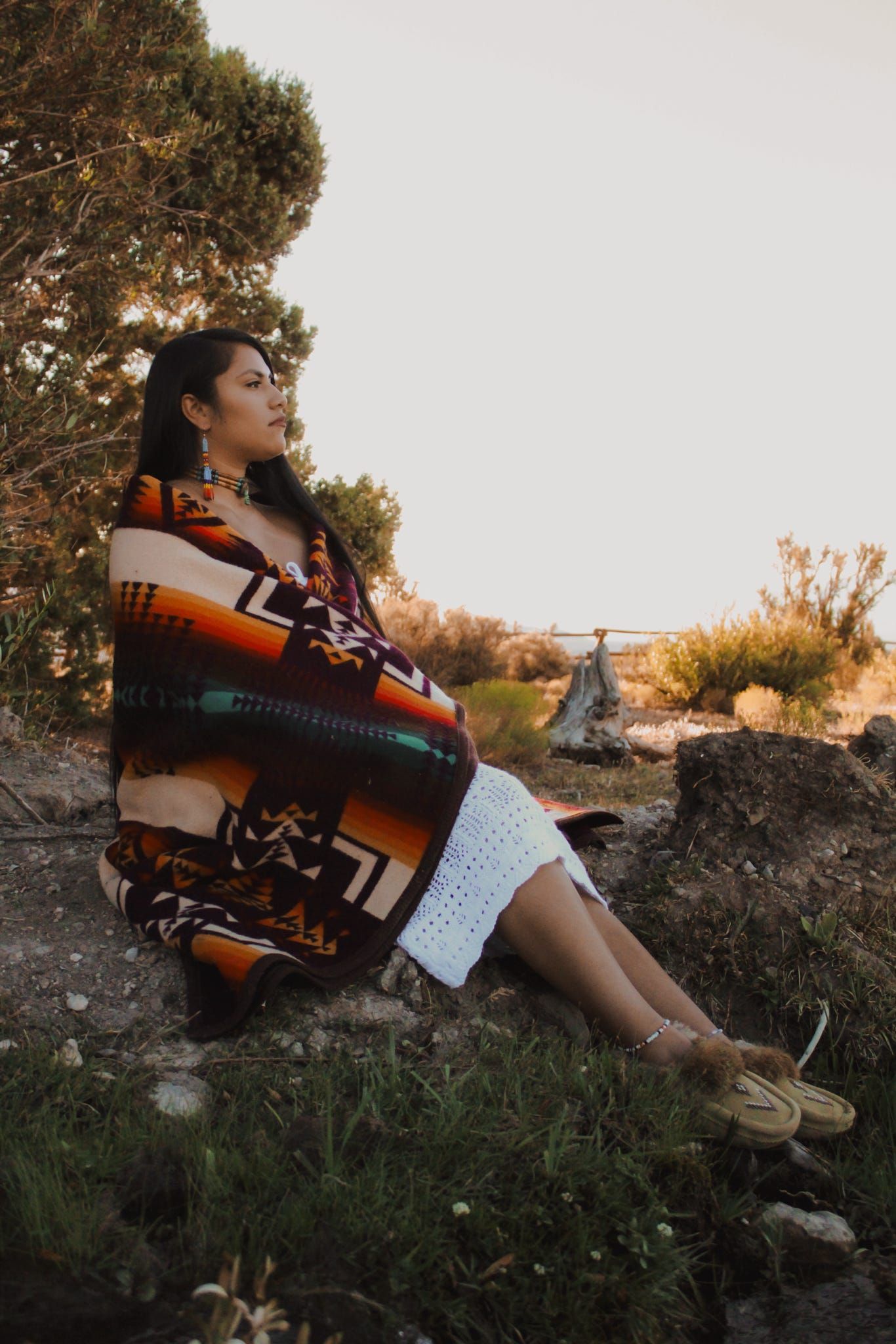
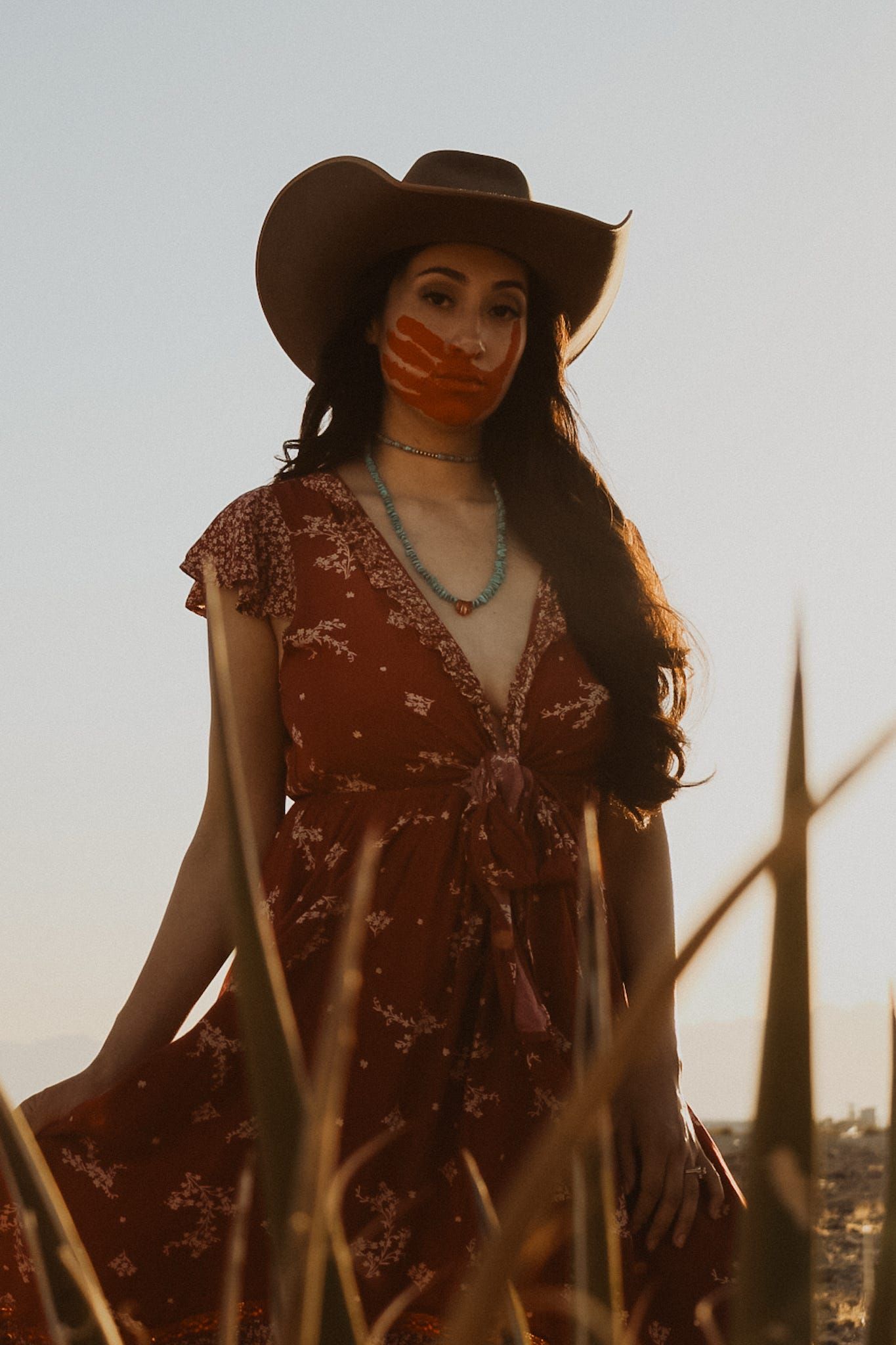
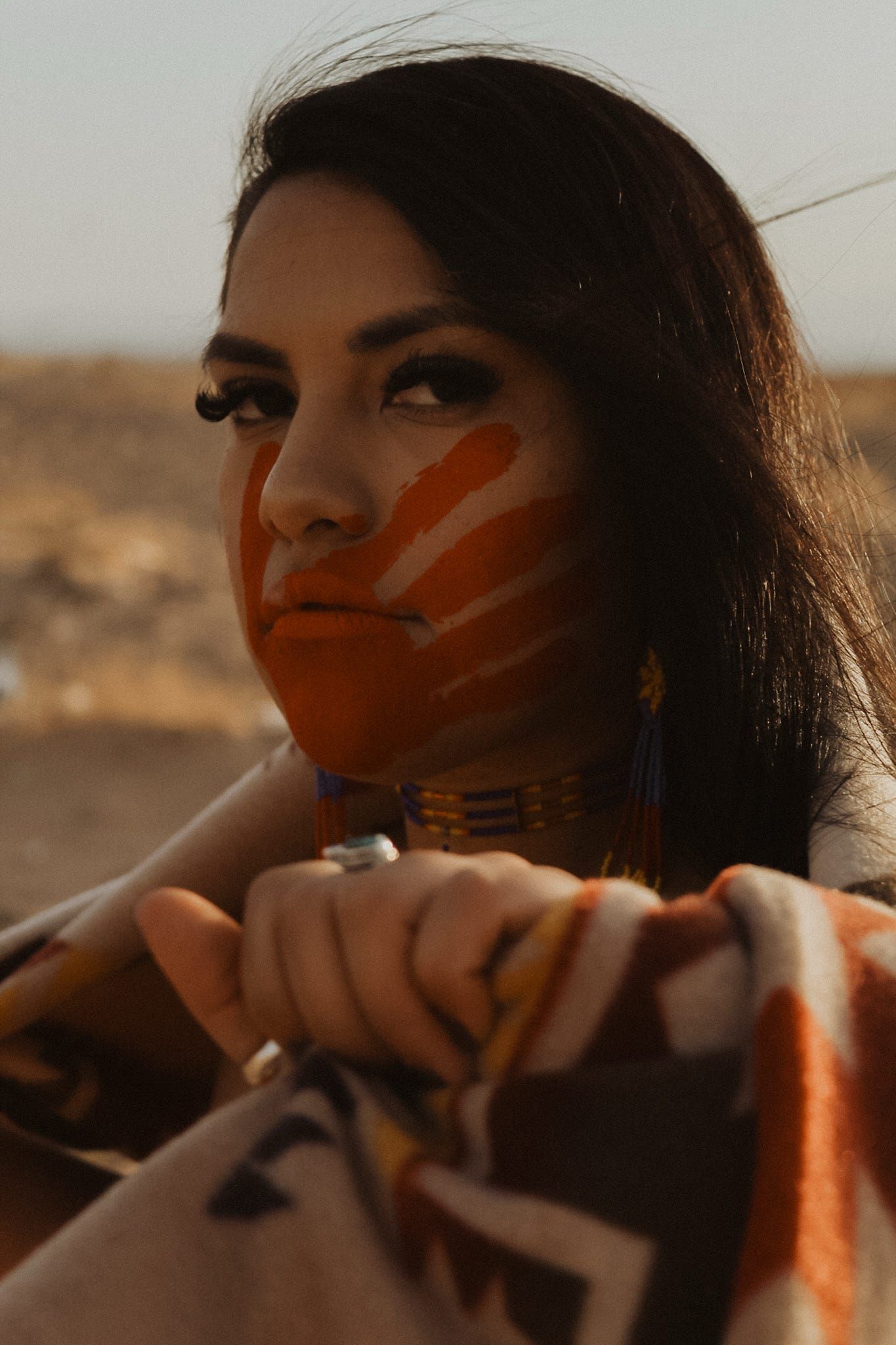
- Wear a red handprint to stand in solidarity.
- Use your voice on social media to raise awareness using hashtags like #MMIW, #NoMoreStolenSisters, #JusticeForEmilyPike
Support Organizations Leading the Fight
War Party Movement
Website: www.warpartymovement.com
The War Party Movement, through its nonprofit arm War Party Ranch, focuses on empowering Indigenous women and girls who have survived abuse. They offer programs centered on horsemanship, agriculture, self-defense, firearms training, and health and wellness. These initiatives aim to foster independence and self-reliance among participants.
National Indigenous Women's Resource Center (NIWRC)
Website: www.niwrc.org
Provides culturally grounded resources, policy advocacy, and technical assistance to stop violence against Native women.
Native Women's Wilderness
Website: www.nativewomenswilderness.org
Raises awareness through storytelling, campaigns, and community engagement with a focus on MMIW and Indigenous visibility.
Coalition to Stop Violence Against Native Women (CSVANW)
Website: www.csvanw.org
Based in New Mexico, CSVANW leads policy advocacy, training, and direct support for tribal communities.
Sovereign Bodies Institute (SBI)
Website: www.sovereign-bodies.org
A research institute working to restore Indigenous data sovereignty and document cases of gender and sexual violence against Indigenous people.
StrongHearts Native Helpline
Website: www.strongheartshelpline.org | Phone: 1-844-762-8483
A confidential, culturally appropriate helpline for Native Americans experiencing domestic and sexual violence.
Emily Pike’s story is one of thousands. But with collective awareness, advocacy, and support, we can turn grief into justice, silence into accountability, and remembrance into reform.
Say her name. Say all their names. And never stop demanding change.